
Intent
At Twelve Apostles, Religious Education lies at the heart of our curriculum because Christ is at the centre of all that we do. Guided by our mission statement, “Through Learning and Loving we will Follow Jesus,” we strive to ensure that every child is recognised as a unique individual, created and loved by God, and valued as a member of our school family.
Through Religious Education, we aim to nurture each child's relationship with God and develop their understanding of the Catholic faith. Following the Religious Education Directory (RED), we seek to help children grow spiritually, morally, socially and academically through engagement with scripture, Catholic teaching and opportunities to put faith into action, making links with the principles of Catholic Social Teaching.
We aim to inspire children to live out Gospel values in their everyday lives, showing love, compassion and respect for others, and developing an understanding of their role within both the local and global community.
Implementation
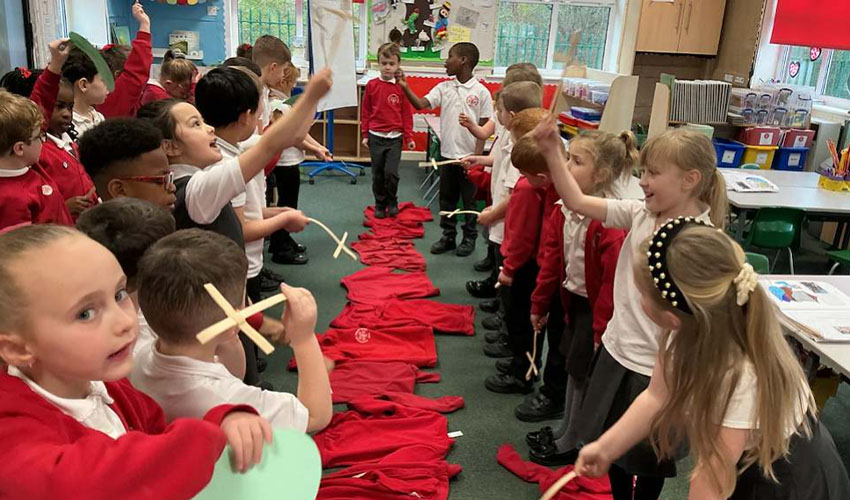
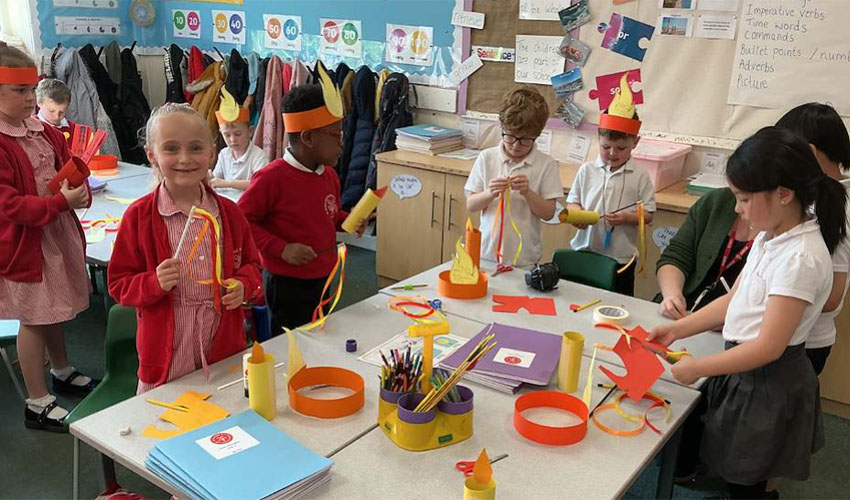
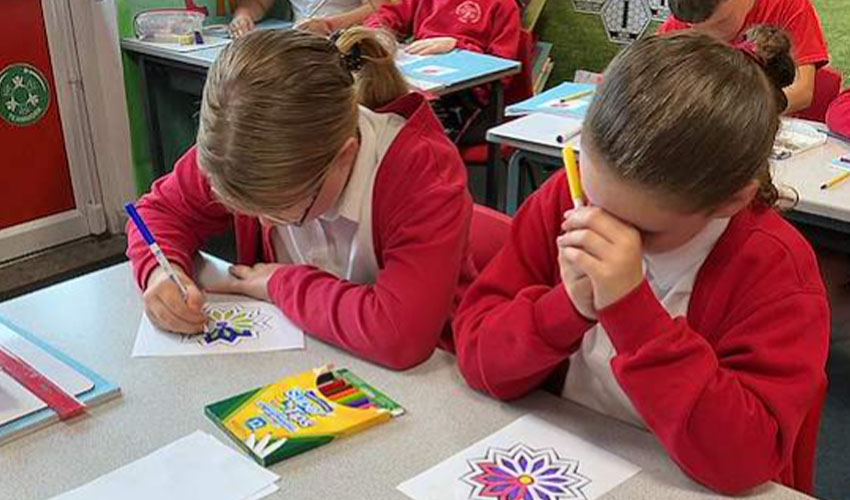
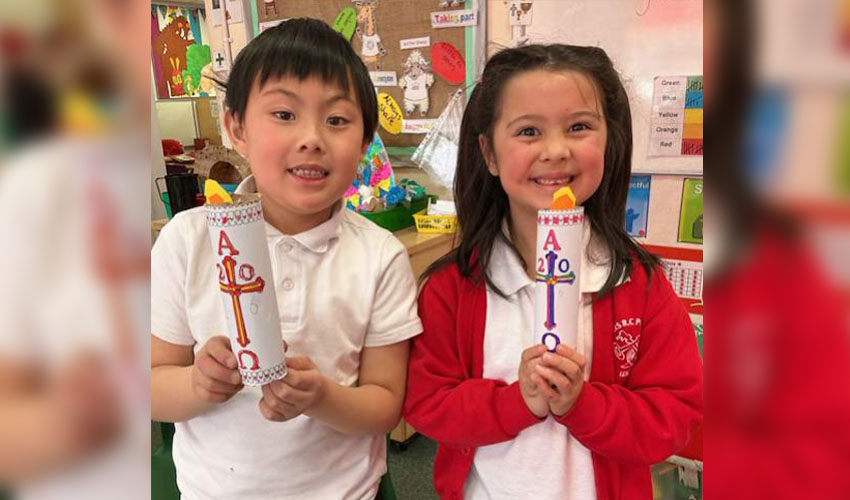
Religious Education is taught using the Religious Education Directory (RED), which places Christ at the centre of learning. Through carefully planned lessons and experiences, children encounter scripture, Catholic beliefs, traditions and practices in ways that are meaningful and age appropriate.
Children are given opportunities to:
- engage with scripture and reflect on its meaning
- develop religious knowledge and understanding
- ask questions, discuss and think deeply about faith and life
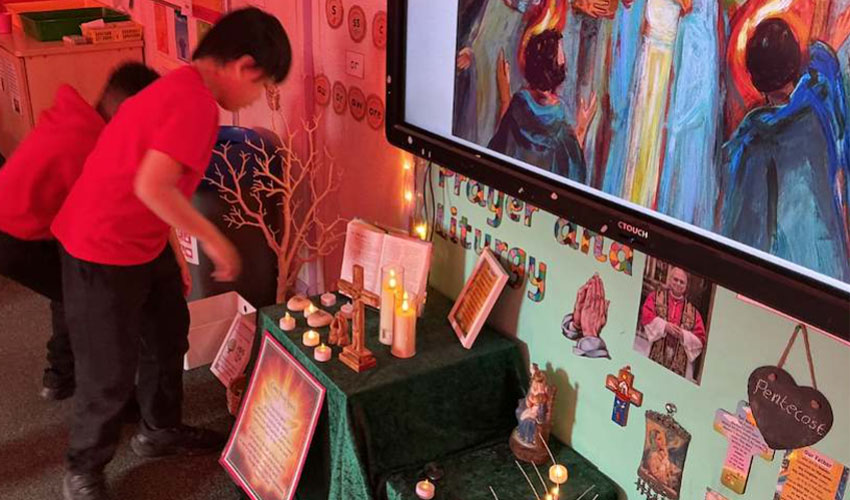
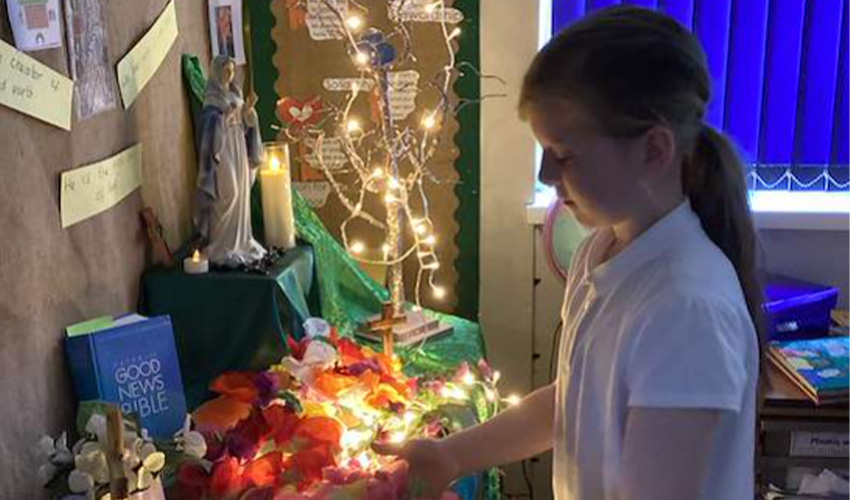
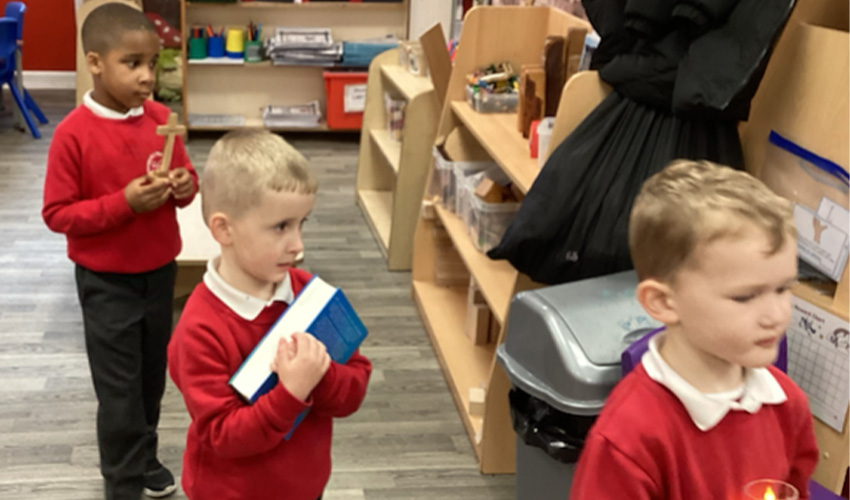
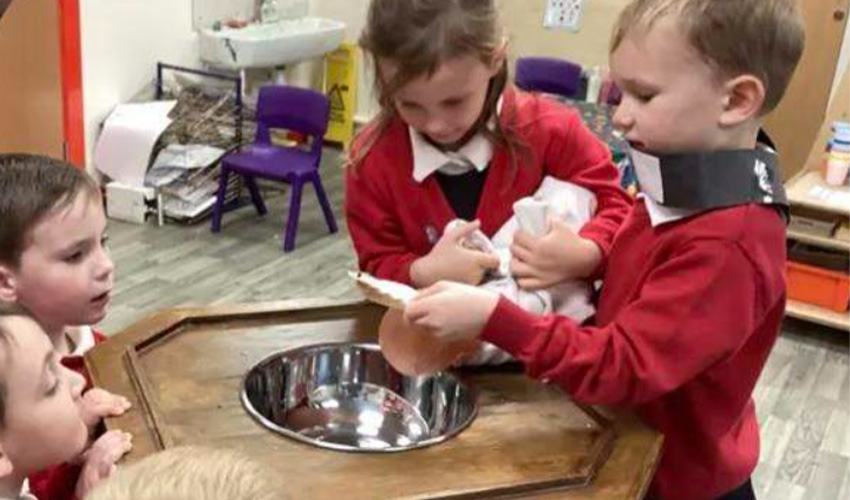
- participate in prayer, liturgy and celebration of the word
- make links between faith and everyday life
- appreciate and respect other faiths and worldviews
Religious Education is not confined to lessons alone but is woven throughout the life of our school community through prayer, Catholic Life, worship, celebrations and opportunities to put faith into action.
Impact
The impact of Religious Education at Twelve Apostles can be seen in the knowledge, understanding and attitudes of our children and in the way they live out our mission statement.
Children will:
- develop a secure understanding of the Catholic faith and the teachings of Jesus
- recognise themselves and others as unique individuals created in the image and likeness of God
- become reflective, thoughtful and respectful learners
- confidently express and discuss their beliefs and ideas
- demonstrate compassion, kindness and a commitment to Gospel values
- understand the importance of contributing positively to their communities and wider society
Through learning and loving, our children grow as followers of Jesus and as active members of a caring and faith-filled community.
Prayer & liturgy
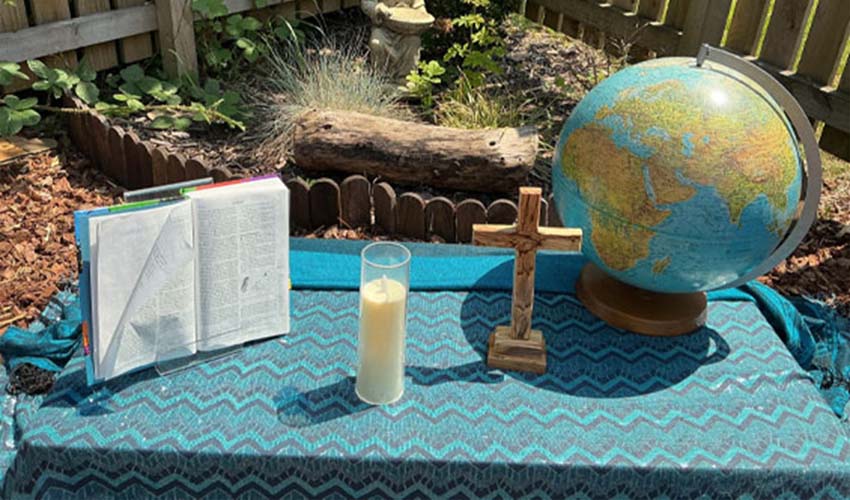
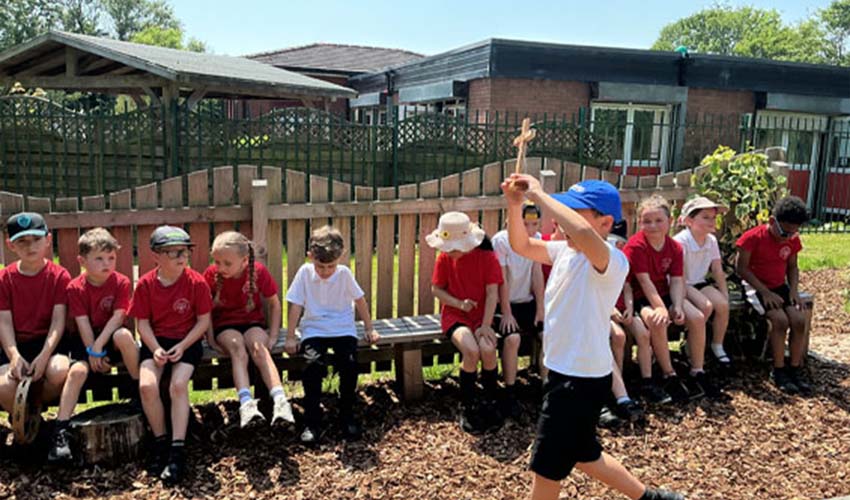
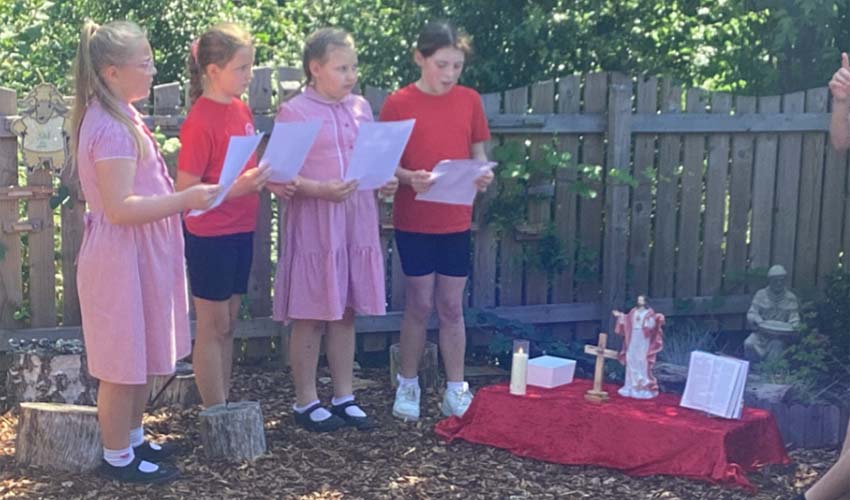
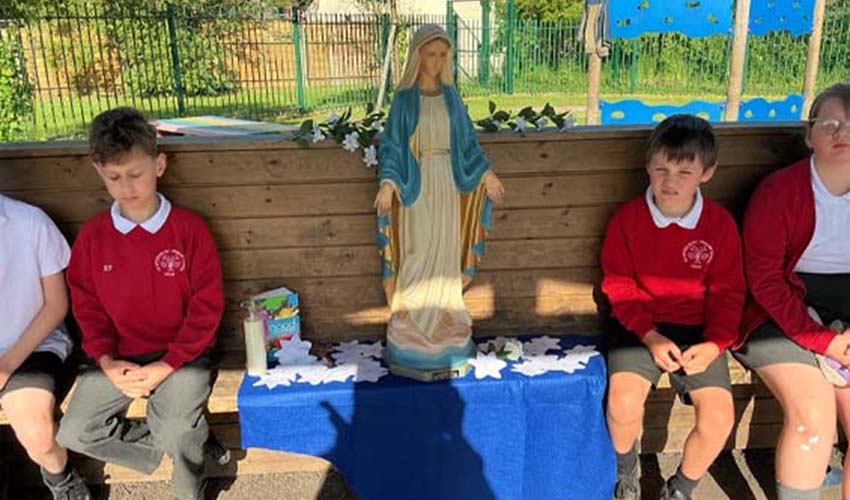
At Twelve Apostles we believe that Collective Worship provides opportunities for pupils and staff to come together to worship God and that is an experience to which all can contribute and from which all can gain. It is central to the education of children in a Catholic School and it forms part of our school’s provision for prayer and worship. During Collective Worship, we respect the diversity of belief and commitment but it will be Catholic in character. It will reflect the liturgical tradition of the Church and have Christ at its heart.
Click here to view our Prayer & Liturgy Policy
Click here to view our Prayer & Liturgy Annual Plan of Provision
Spiritual Development
Spiritual education helps pupils to acquire insights into their personal existence which are of enduring worth. It is characterised by reflection, the attribution of meaning to experience, valuing a non-material dimension to life and intimations of an enduring reality. Spiritual is not synonymous with religious, all areas of the curriculum may contribute to pupils spiritual development. At Twelve Apostles we believe that everyone who interacts with pupils need to be involved in promoting the pupils spiritual development.
Click here to view our Spiritual Development policy
Moral Development
At Twelve Apostles we believe that everyone who interacts with pupils need to be involved in promoting the pupils moral development. ‘ Moral education helps pupils to acquire knowledge, understanding, intentions, attitudes and behaviour in relation to what is right or wrong.’ The school’s Mission Statement clearly reflects the importance of moral development.
Click here to view our Moral Development policy
Relationship, Health and Sex Education
The Governors at XII Apostles RCPS have adopted the 'Journey in Love' programme to support the non statutory Relationships and Sex Education in a Christian context.
The programme is authentic to the teaching of the Catholic Church and is intended to support teachers and parents in Catholic schools to enable the holistic growth of children. We acknowledge that parents and carers are the key persons for children learning about sex and relationships, the foremost educators. Our programme should complement their role in nurturing their children’s human wholeness.
As part of our commitment to you, we will hold a meeting annually for parents and carers. This will take place at the start of each academic year during a meeting with your child's class teacher. Please do try to attend this meeting at the start of the term as your child's teacher will give an overview of our RSHE sessions and how these lessons support the equality act, the protected characteristics and are delivered through a Catholic lens. Later in the Year, parents and carers of children in Years 5 and 6 will be invited in again to discuss the Journey in Love programme's content. You have the right to withdraw your child from this aspect of the curriculum however, this is not to be confused with curriculum Science which is statutory.
Click here to open our RSHE Policy
Click here to open our RSE Programme Information for Parents
Click here to open our RSHE Long Term Plan Overview
A Journey in Love ; A brief outline of the programme
A Journey in Love has as its foundational premise in the belief that we are made in the image and likeness of God and, as a consequence, gender and sexuality are God’s gift, reflect God’s beauty and share in the divine creativity.
In order that children may grow and develop healthily and holistically towards an understanding of their gender and its implications for successful relationships, they must be at ease with themselves and grow in self- knowledge.
- YR: God loves each of us in our uniqueness
- Y1: We meet God’s love in our family
- Y2: We meet God’s love in the community
- Y3: How we live in love
- Y4: God loves us in our differences
- Y5: God loves me in my changing and development
- Y6: The wonder of God’s love in creating new life
'Love is the light – and in the end, the only light – that can always illuminate a world grown dim and give us the courage needed to keep living and working. Love is possible, and we are able to practise it because we are created in the image of God.’ Deus Caritas Est 39.
Your Right to Withdraw
As a parent/ guardian, you have the legal right to withdraw your child from some or all of Religious Education (RE) lessons. This right is protected under the Education Act 1996 and applies to all maintained schools, academies, and free schools in England.
Things to Consider Before Withdrawing
Before making a decision, you may want to consider:
- The Purpose of RE: RE is not about promoting a particular faith but about exploring different religious and non-religious worldviews. It helps children develop understanding, respect, and critical thinking skills.
- Alternative Learning: Schools are not required to provide alternative lessons if your child is withdrawn. You may be asked to supervise their learning at home or provide suitable materials.
- Social and Cultural Benefits: RE can help children understand different cultures, beliefs, and moral issues, promoting inclusivity and respect for others.
How to Withdraw Your Child
- Contact the School: Speak with the Headteacher or RE Subject Leader to discuss your concerns and understand the curriculum.
- Submit a Formal Request: A written request is usually required. You do not need to give a reason.
- Agree on Arrangements: Schools will discuss how your child’s time will be managed during RE lessons.
Final Thoughts
Withdrawing your child is a personal decision. If you are unsure, consider discussing it with your child, the school, or other parents to make an informed choice.