PSHE Curriculum at XII Apostles
Personal Social and Health Education (including Relationship, Sex and Health Education) Subject Leader - Mrs Devlin and Curriculum Team 3
Intent
The intent of the Personal Social and Health Education curriculum at Twelve Apostles Primary School is to teach children to know and understand how to be safe and healthy, and how to manage their academic, personal and social lives in a positive way. The PSHE Curriculum provides a place where the key building blocks of healthy, respectful relationships, focusing on family and friendships, in all contexts, including online are learnt. This sits alongside the essential understanding of how to be healthy. Our School’s Catholic mission embraces the spiritual, physical, intellectual, emotional, moral and social development of children and young people through an agreed approach to Relationship and Sex Education. The aim is to promote the development of the whole child, so that children can grow in virtue, wisdom and stature, understanding both the emotional, social and physical aspects of growing spiritually, as well as moral aspects of relationships within a context of a Christian vision for the purpose of life.
Implementation
We are involved in PSHE precisely because of our Christian beliefs about God and about the human person. The belief in the unique dignity of the human person made in the image and likeness of God underpins the approach to all education in a Catholic school. Our approach to therefore is rooted in the Catholic Church’s teaching of the human person and presented in a positive framework of Christian ideals.
The statutory guidance for Relationships education focuses on teaching the fundamental building blocks and characteristics of positive relationships including:
- Families and people who care for me
- Caring friendships
- Respectful, kind relationships
- Online safety and awareness
- Being safe
These areas of learning are taught within the context of ‘family life’ and could include married or single parent families, same sex parents, families headed by grandparents, adoptive parents, foster parents/carers amongst other structures, along with reflecting sensitively that some children may have a support structure around them (for example: looked after children or young carers). As a school, we promote equality of opportunity and foster good relations. Our school environment uniformly applies values of inclusion and respect to all pupils and their families.
Relationship and Sex Education is taught both discretely and within the Personal, Social and Health Education (PSHE) curriculum lessons. Some aspects of the RSHE curriculum may be touched upon in other lessons as it shares links with Religious Education, Science and Physical Education. Our RSHE curriculum will ensure that content is relevant to the age, experience and maturity of pupils.
The PSHE Curriculum is intended to support teachers and parents to enable the holistic growth of their children. Parents and carers are the key persons for children learning about sex, health and relationships, the foremost educators. Our PSHE programme complements their role in nurturing their children’s human wholeness. The PSHE programme follows the statutory framework and meets the ethos of its Catholic identity and mission. A Journey in Love is the Archdiocese recommended resource and it has as its foundational premise the belief that we are made in the image and likeness of God and, consequently, gender and sexuality are God’s gift, reflect God’s beauty and share in the divine creativity. The other aspects of the statutory curriculum are met through our comprehensive PSHE curriculum which has been planned utilising the Scarf programme of work. This provides a structured programme that integrates the statutory RSHE content and the equality programme ‘No Outsiders.’ The statutory PSHE content is delivered using the SCARF resources. We have developed our curriculum with recommendations from the Archdiocesan Education Department to ensure that they meet with Catholic Church teaching, ‘through a Catholic lens.’ The SCARF resources are organised into units, which are taught in each year group across Reception, Key Stage 1 and Key Stage 2, incorporating the resource Journey In Love.
Impact
The impact of the PSHE Curriculum is to develop the belief in the unique dignity of the human person made in the image and likeness of God; this underpins all education in a Catholic school. The curriculum will foster pupil wellbeing and develop resilience and character that are fundamental to pupils being happy, successful and productive members of society in God’s family. Central to this is pupils’ ability to believe that they can achieve goals, both academic and personal; to stick to tasks that will help them achieve those goals, even when the reward may be distant or uncertain; and to recover from knocks and challenging periods in their lives. This is complemented by development of personal attributes including kindness, integrity, generosity, and honesty. The curriculum helps our children to develop the substantive knowledge and attributes to support their own, and others’, wellbeing and attainment and help them become successful and happy adults who make a meaningful contribution to society, within a context of a Christian vision for the purpose of life.
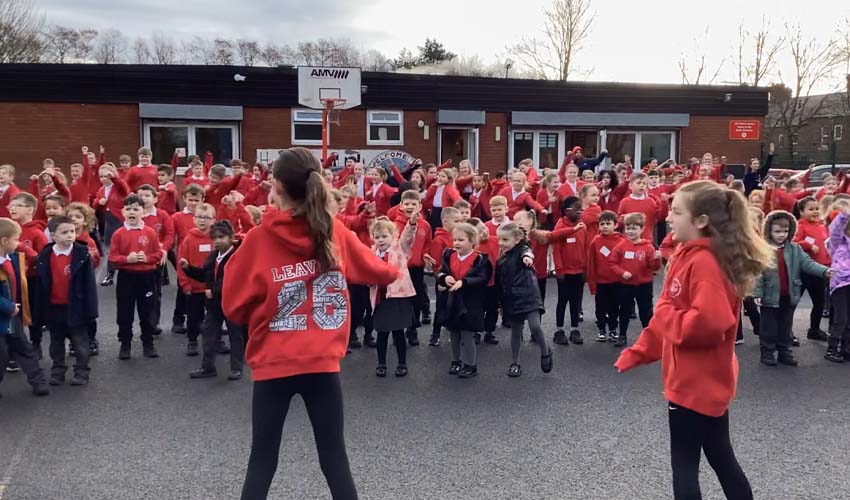
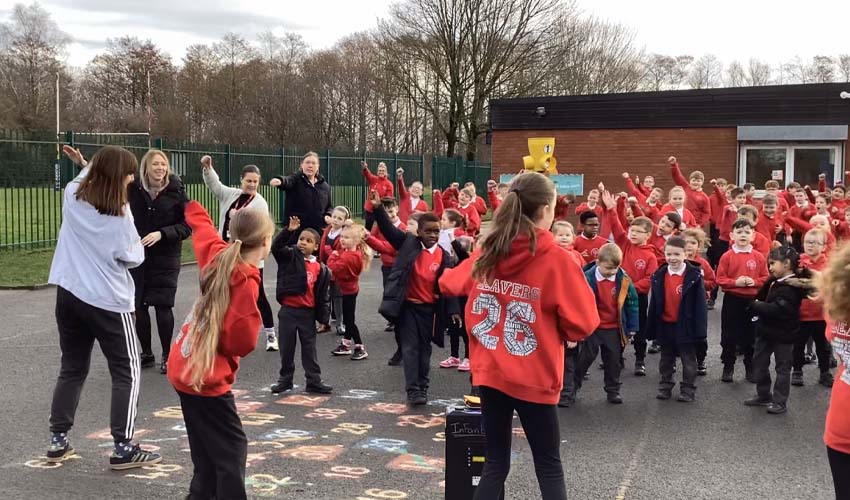
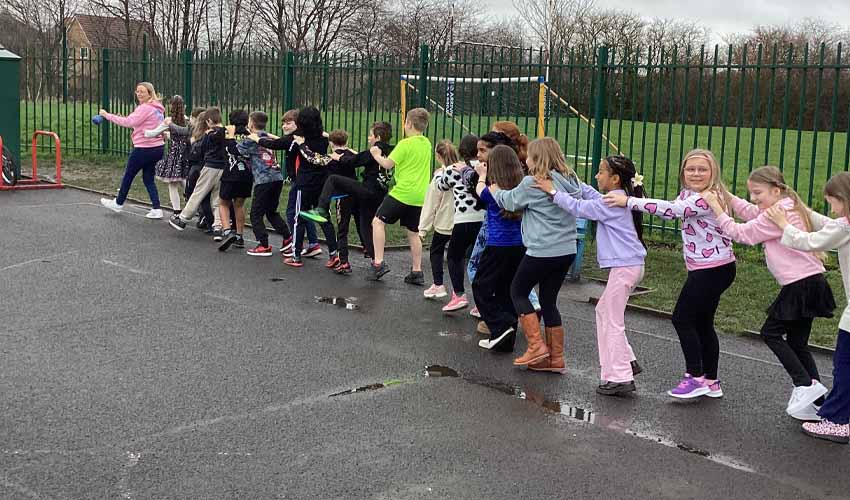
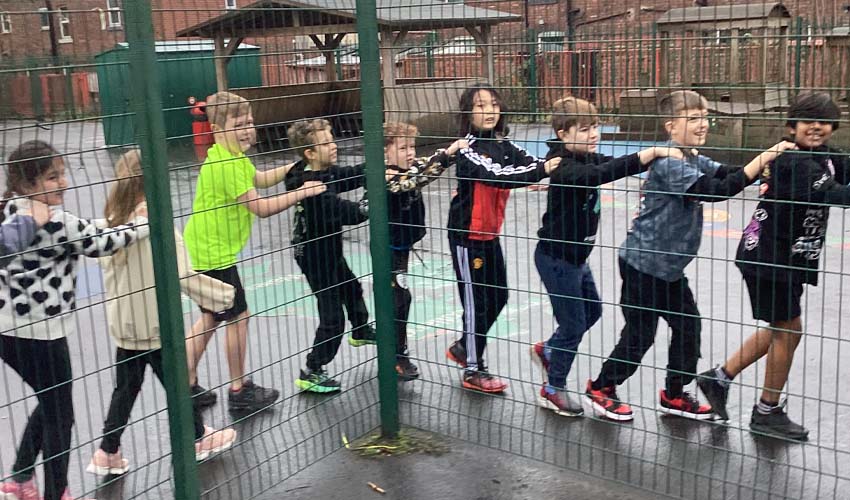
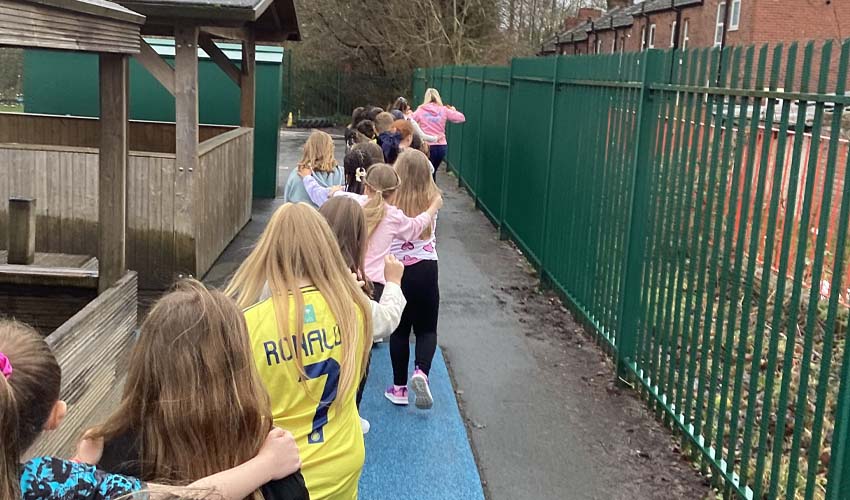
The whole school connected for mental health week by learning a new dance and performing it together outside.
- Download RSHE Policy (PDF)
- Click here to open our RSE Programme Information for Parents
- Download RSHE Long Term Plan Overview (PDF)
- Download Outcomes (PDF)
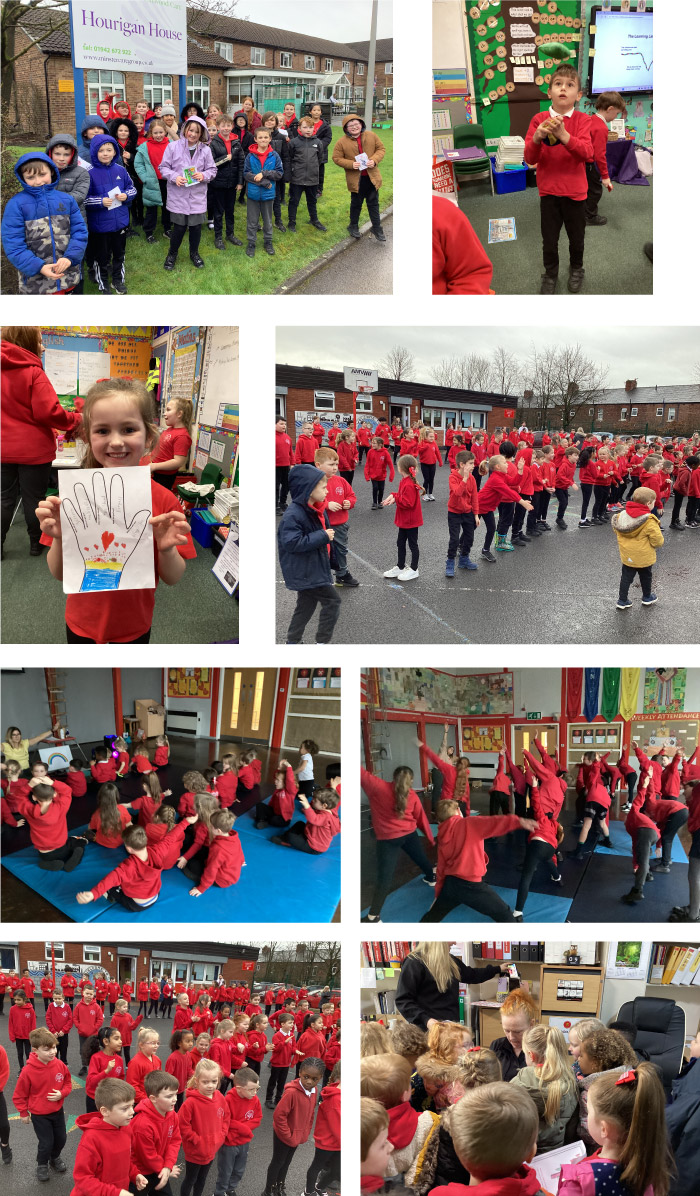
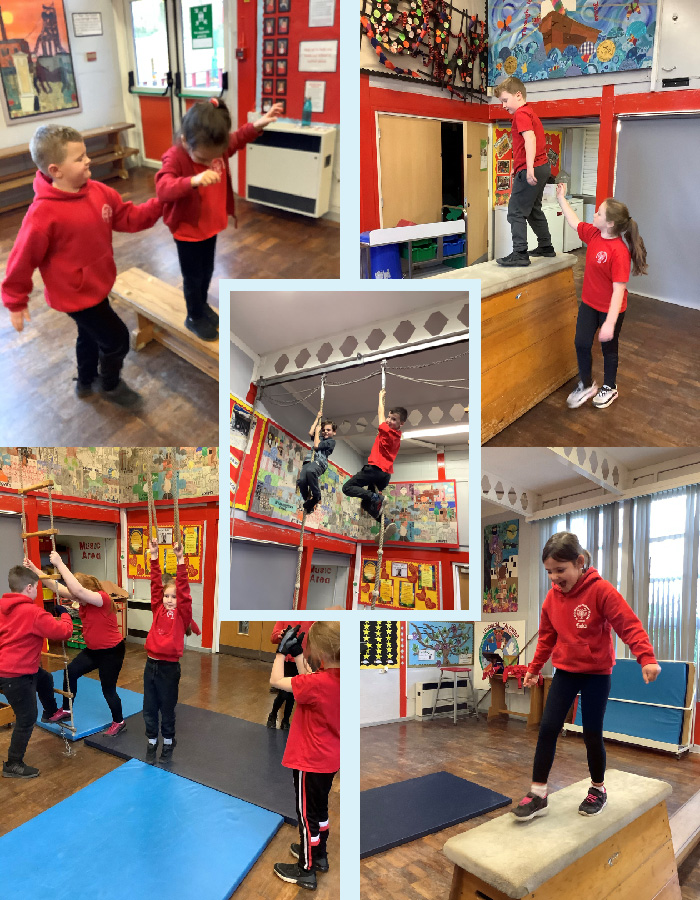
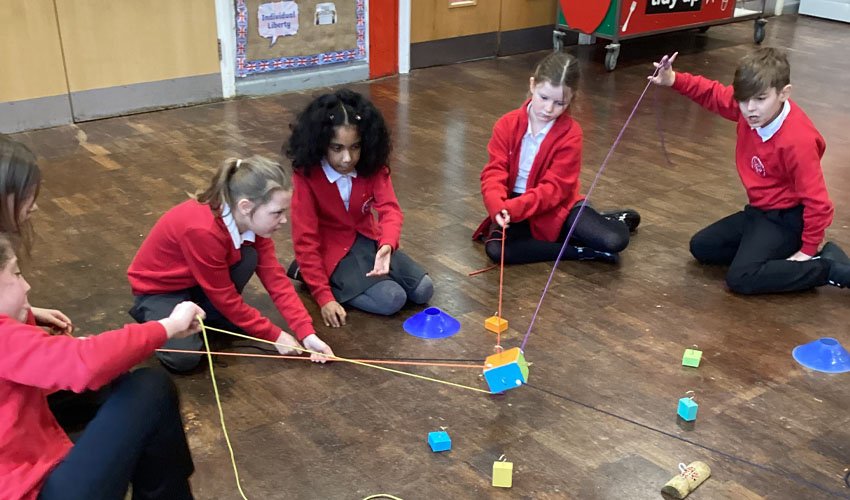
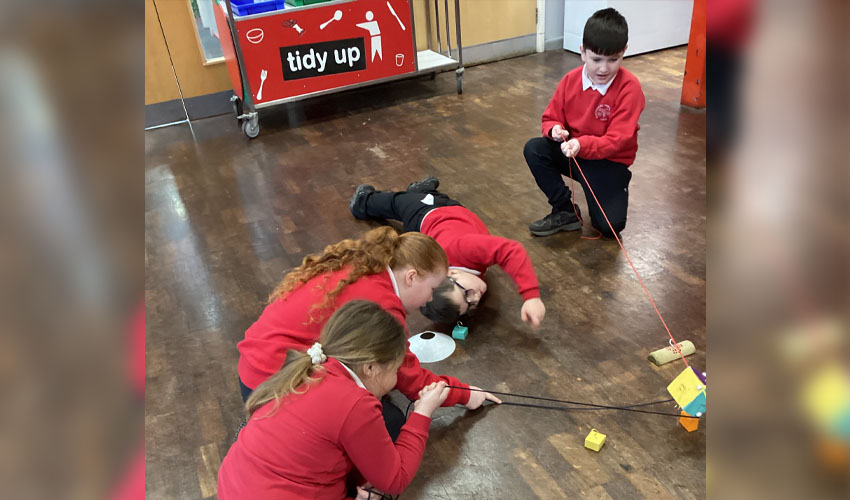
The children had a fantastic time taking part in all sorts of activities to help build their resilience during our annual mental health week.